
Why a Brand Beats a Bigger Catalogue
A product competes on every search result. A brand barely competes at all. That gap is the whole game.
By Jade Mossop, Global Creative Marketing Director
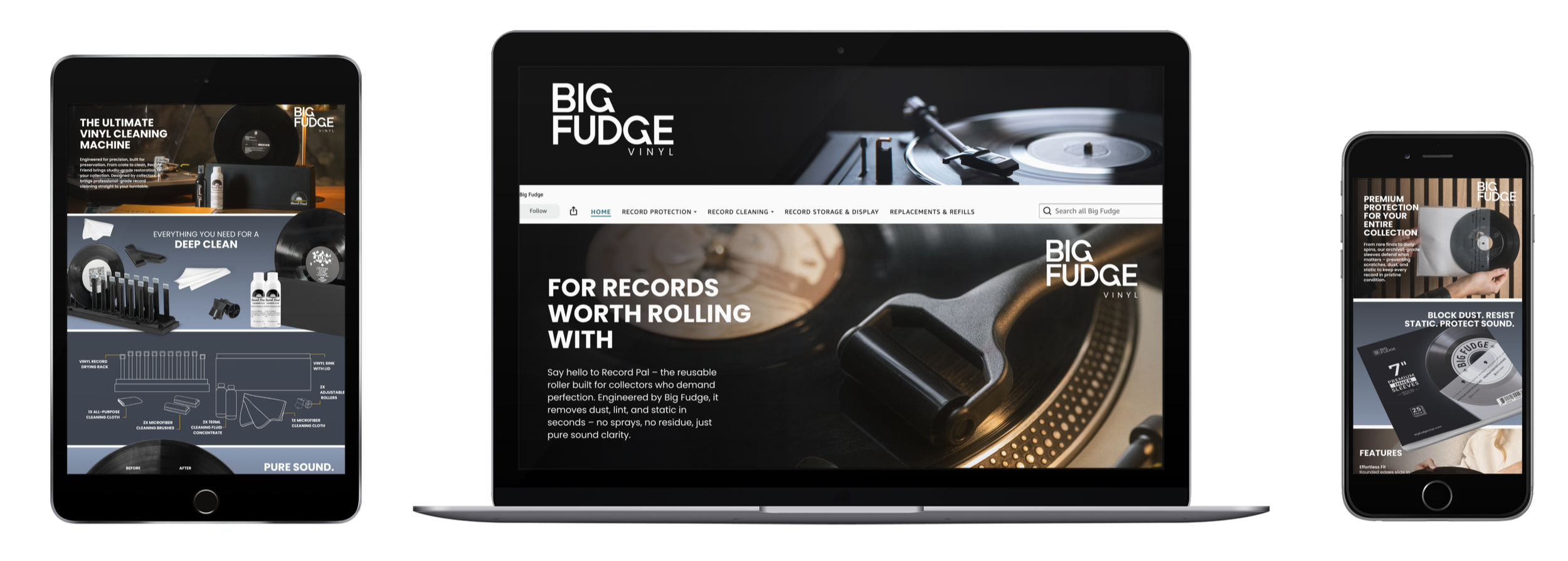
You can grow by adding more products. The faster way is to build a brand around the ones you already have.
Here's the difference, and it's brutal. A standalone product walks into the search results every morning and fights for its life. Same query, same grid, ten near-identical rivals, and the only levers are price, image, and reviews. Win today, defend it tomorrow, forever.
A recognized brand barely shows up to that fight. The customer already typed your name, or already trusted you before they clicked. The contest was decided long before the results loaded, somewhere else entirely.
That "somewhere else" is what's easy to miss. The trust that allows a purchase is rarely built on the listing where it happens. It's built across everything around it.
So I stopped thinking in listings and started thinking in systems. Picture a web, where every channel does one job and feeds the others. Amazon is your proof engine: reviews, ranking, the safety of a crowd. Your own site is where you own the relationship and the data. Social makes you familiar before anyone needs you. Search catches the demand the rest created. Reviews earned on Amazon get syndicated to your site. Familiarity from social lifts conversion on the marketplace. Each channel is weak alone and compounding together.
A bigger catalogue can't do that. Twenty unknown products are twenty separate fights. One known brand across four channels is a machine where each part makes the others stronger.
This is the actual work I do: take a brand that lives mostly on Amazon and give it somewhere else to exist, so it stops renting attention one query at a time and starts owning it.
The move for you: stop counting SKUs and start checking whether your channels feed each other. If each one fights alone, you don't have a brand yet. You have a catalogue. Build the web, and your next product launches into demand you already created instead of a grid of strangers.
