
Where Authenticity Has to Be Real
Authenticity is a conversion lever before it's anything else. It doesn't have to be real everywhere. Where it counts, it has to be unbreakable.
By Jade Mossop, Global Creative Marketing Director
Authenticity sells because it lowers risk. A shopper who believes you buys faster than one who doesn't. That's the commercial case, and it's enough.
Here's something people don't expect me to admit. Not every image I make is a straight photograph. Sometimes we use a rendered product, a composited scene, a model and a backdrop that were never in the same room. Where an image blends real and rendered elements, pretending it's all real would be its own dishonesty.
Which is exactly why one question matters more than any other: what has to be real?
The answer is whatever the customer uses to judge the risk of buying. The texture of the food they're about to eat. The way the product sits in a real hand, in a real kitchen, in a real life. The claim on the pack. Get those wrong and no amount of polish saves you, because the customer feels the gap the day the box arrives, and that gap becomes a return and a one-star review.
I've seen it in testing more than once. A slightly imperfect photo of the product genuinely in use beats the flawless studio shot. It wins because it's believable, and believable is what converts.
Here's the line I'd put on every creative team's wall: the image that wins the award and the image that wins the customer are frequently not the same image. Beautiful is easy. Trusted is the job.
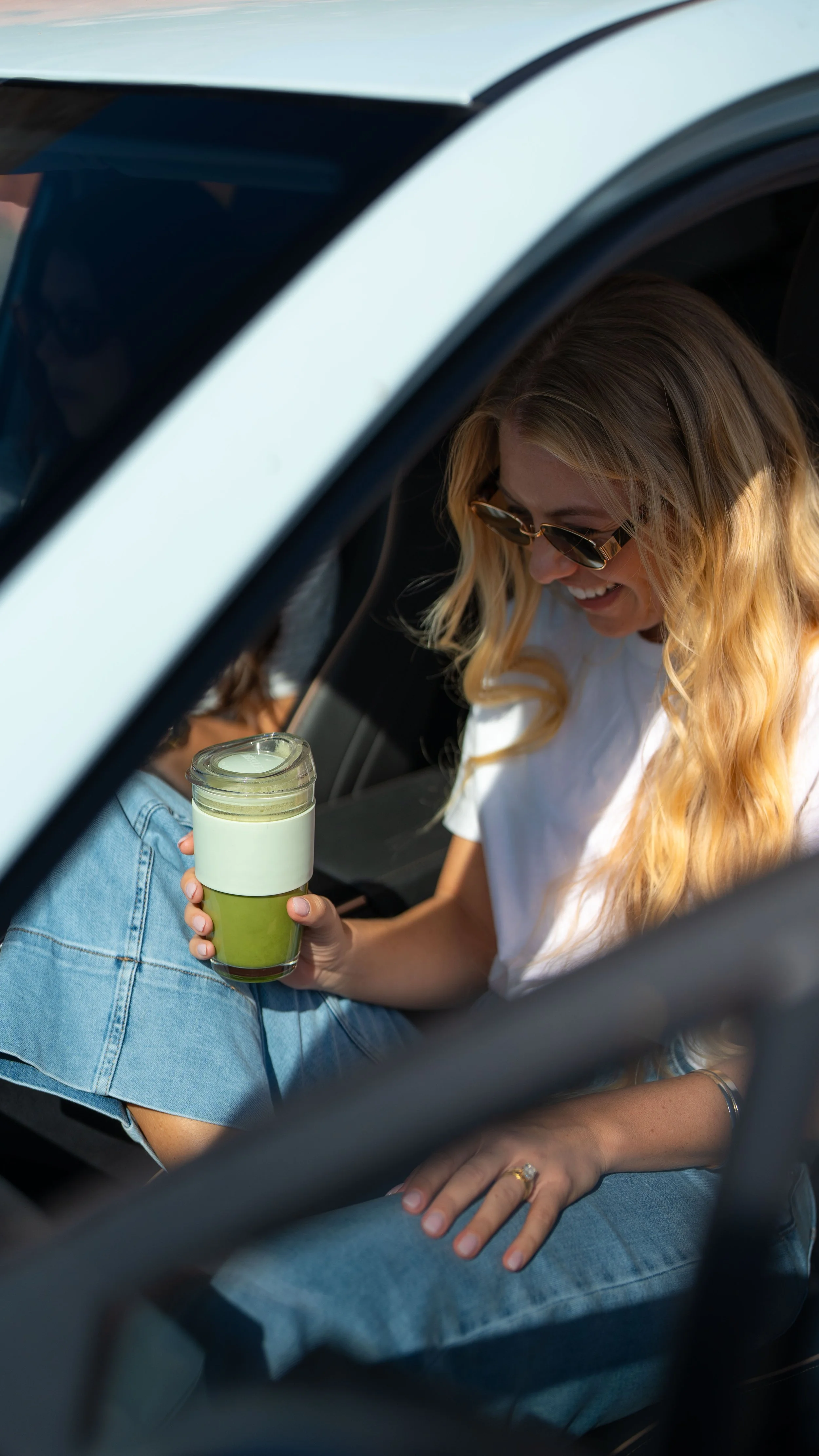
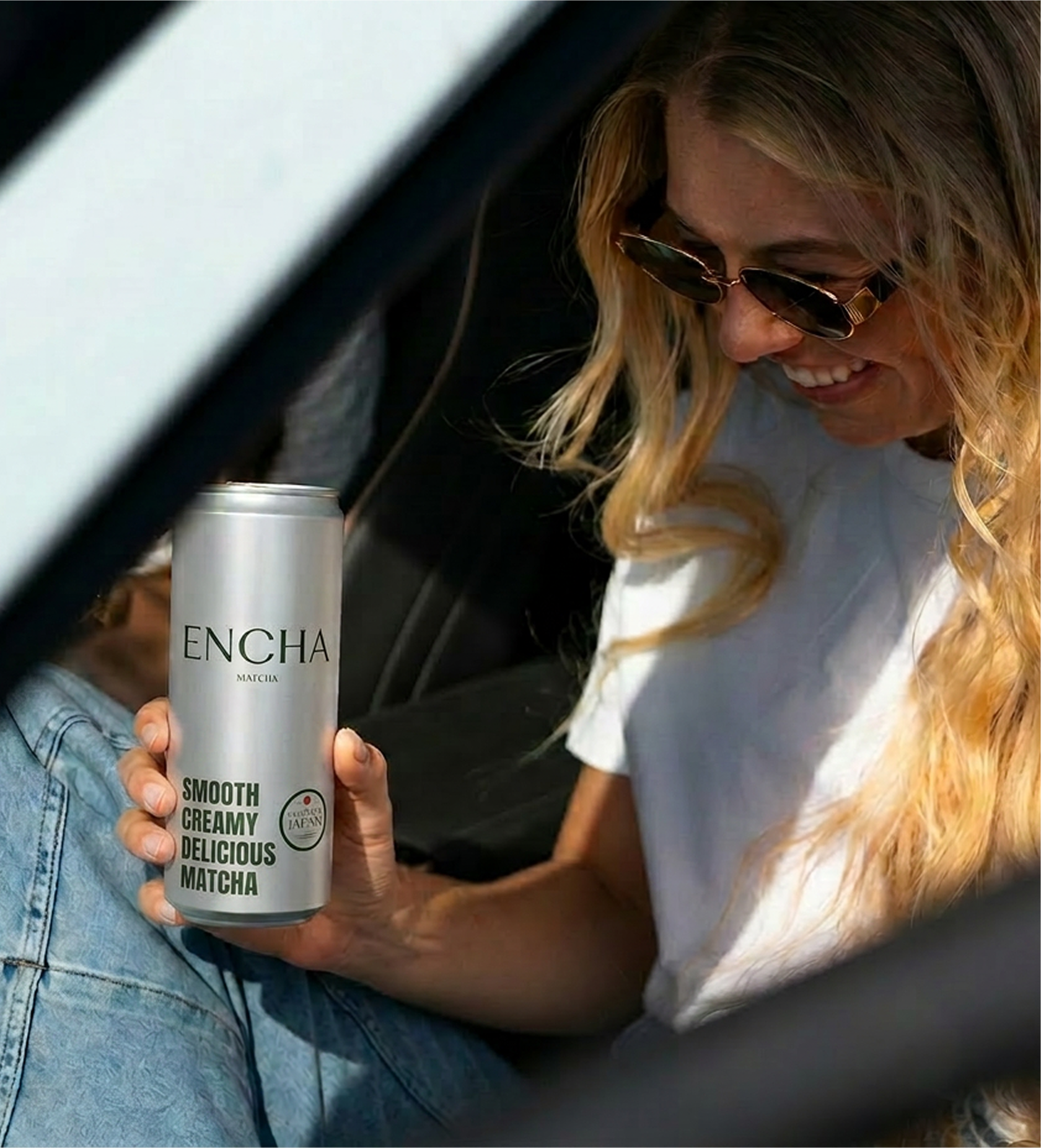
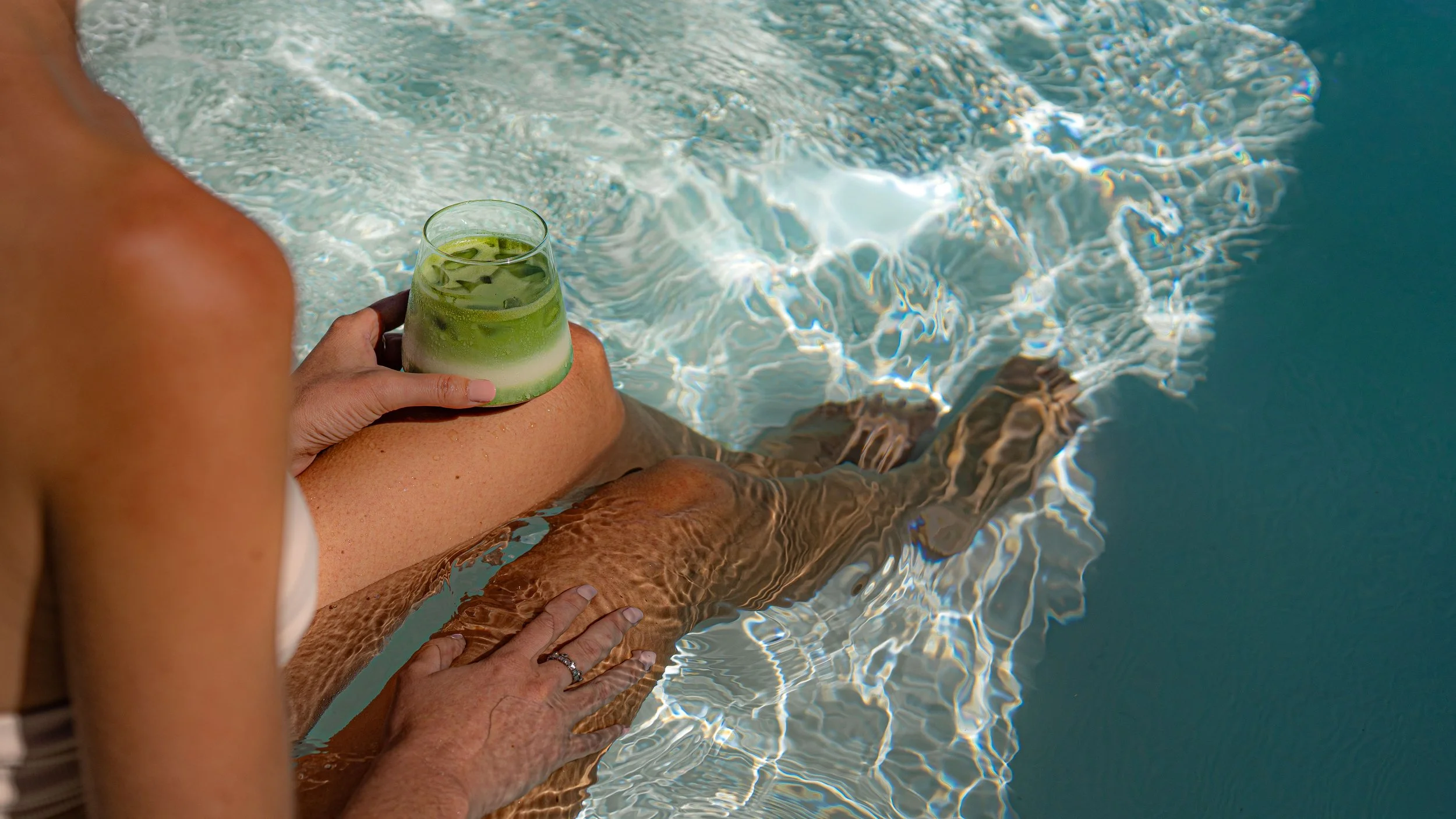
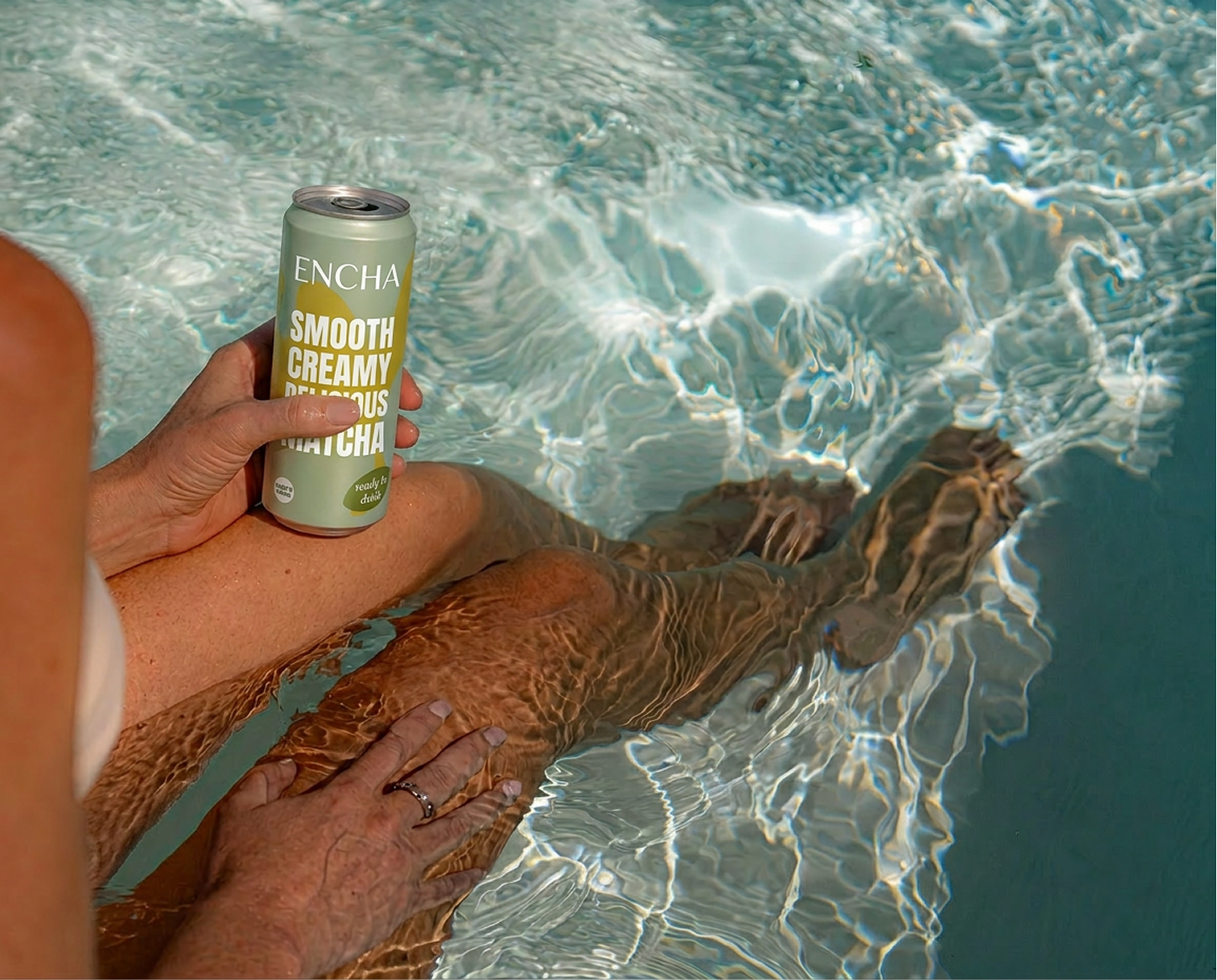
The move for you: audit your imagery by risk, not by gloss. Find the handful of things a buyer has to believe before they'll click, and make those verifiably true. Everywhere else, craft as hard as you like. Protect the load-bearing few, and authenticity quietly pays you back, in conversion and in returns you never have to process.
