
Kate Charlotte started as five product types and eight SKUs. When I modelled the business, the numbers pushed back. These are the trade-offs that reshaped the proposed launch.
By Jade Mossop, Creative Marketing Director
Kate Charlotte is a premium face care and colour brand concept I developed in 2026: positioning, range, identity, packaging, campaign art direction, homepage, CRM and social, designed as one system. The creative vision was a full routine of cleanser, serum, cream, SPF and a Cream Colour stick in four shades.
Before committing to any of it, I modelled the business over 18 months. Explore the full Kate Charlotte case study.
Who she is, and what she doesn't want
She reads labels, cares how a product feels and wants fewer decisions in her morning. That gave the range its rule: every product has one obvious job, one callout and one supporting line, so it reads the same on pack, page and post.
It also meant the brand could not ask her to buy five unfamiliar products at once. That mattered later.

The customer first. Every product decision answered to her morning.
An ingredient story with a rule attached
The hero ingredient is the resurrection plant, Myrothamnus flabellifolius, a southern African shrub that dries out almost completely in drought and opens again after rain. It gave the brand a story people remember and a visual world of stone, water and light.
It also came with a rule: the revival is a story, never a skin claim. Origin, plant part, extraction and concentration are confirmed in the formula before any sourcing line is published.

Dormant to revived. The ingredient story, told as an image rather than a claim.
Where creative and commercial pulled apart
Three trade-offs shaped the proposed launch.
Colour. The four Cream Colour shades give the range its colour and much of its campaign imagery. Commercially, each shade carries its own minimum order. Until forecast demand covers every shade, more colour is a stock risk, so it stays in the creative vision and waits for evidence.
SPF. SPF belongs in a daily routine. In the US it is regulated as an over-the-counter drug, which brings testing and manufacturing requirements a cosmetic does not have. Adding that to the first launch would mean taking on a regulatory workstream before the core idea is proven.
The cleanser. The Cleansing Milk is the easiest way in: gentle, familiar and natural to sample. In the model, though, a cleanser on its own does not cover what it costs to acquire the customer. Pairs and the full routine do. So the cleanser stays the entry point for sampling and organic discovery, while paid acquisition leads with the routine.
The result is a proposed launch of cleanser, serum and cream.
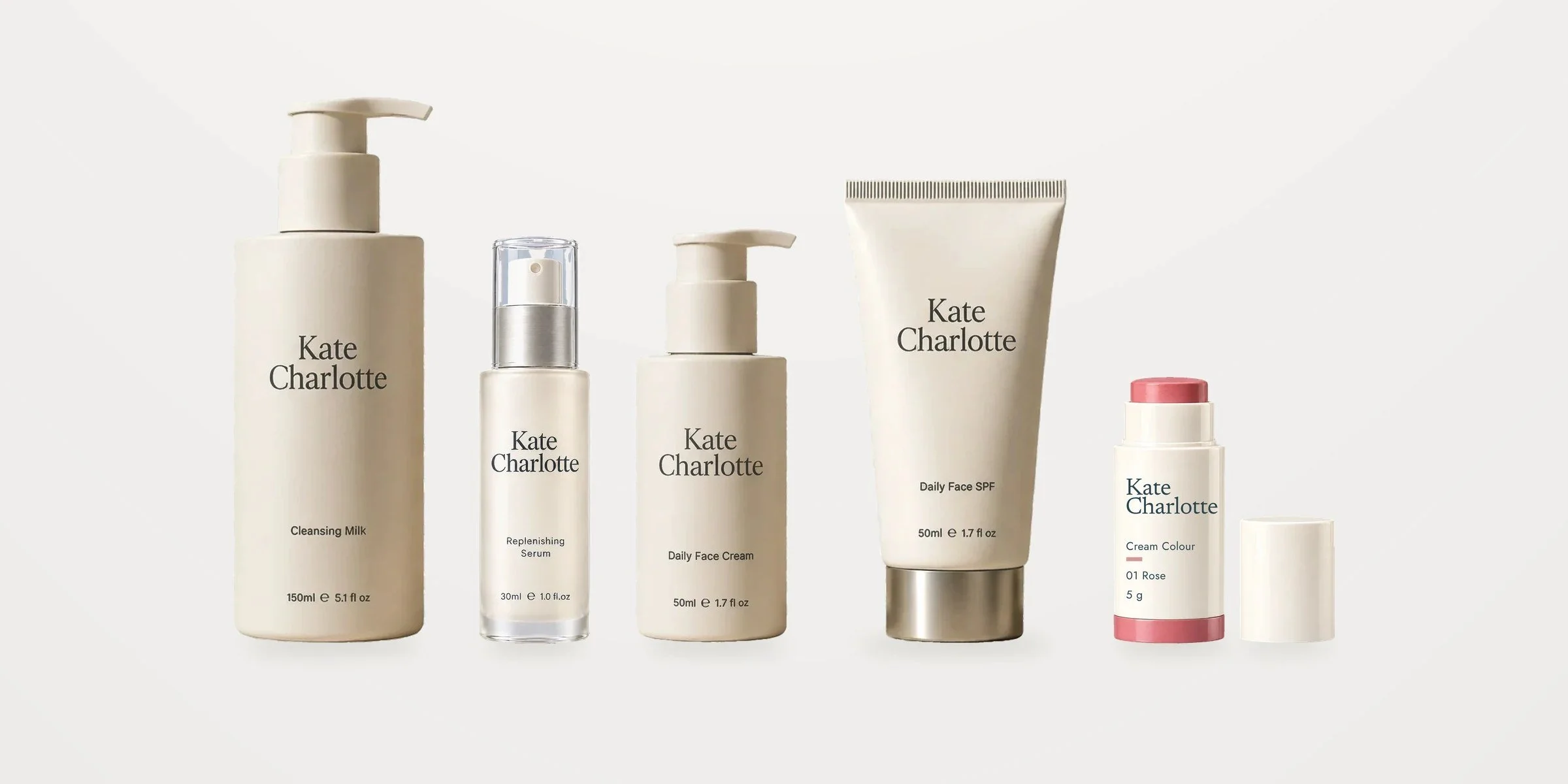
The full range remains the creative vision. The proposed launch starts with three.
What the narrower plan fixed, and what it didn't
The proposed North Star is monthly CM3: contribution after variable costs and marketing. In the recommended plan, CM3 turns positive in month 4 and the business reaches its first month of operating profit in month 13. Compared with the plan as first staffed, it needs less cash at peak, about $0.51M against $0.69M.
It still ends month 18 with a cumulative operating loss of about $0.32M, and neither version recovers its cash within 18 months. All of these are modelled estimates, not results.
So the changes improved the outlook without proving the brand is viable. That is why the case study proposes releasing investment in stages, starting with a $31.5k validation phase, with every further step tied to evidence and to explicit points where the plan holds or stops.
What would have to be true
No primary customer research has taken place, so the opportunity is a hypothesis. Validation would test whether she prefers this routine to what she already uses, whether she will pay the proposed price, whether she leaves a deposit before launch and, eventually, whether she reorders. The thresholds for each are set out in the case study and the investment case.
What I took from it
The most useful output of the modelling was not a single number. It was a launch sequence: which products open the relationship, which wait for evidence, and how much is spent before anyone knows whether she comes back.
The creative vision did not shrink. The order in which it reaches her changed.
See how the full system comes together in the Kate Charlotte case study, from the plant to the pump.
Kate Charlotte is a self-initiated concept. Formulas, claims and prices are proposals, and all imagery is AI-generated for art direction.
